The Hidden Switch That Turned Seattle Into Super Bowl Champs
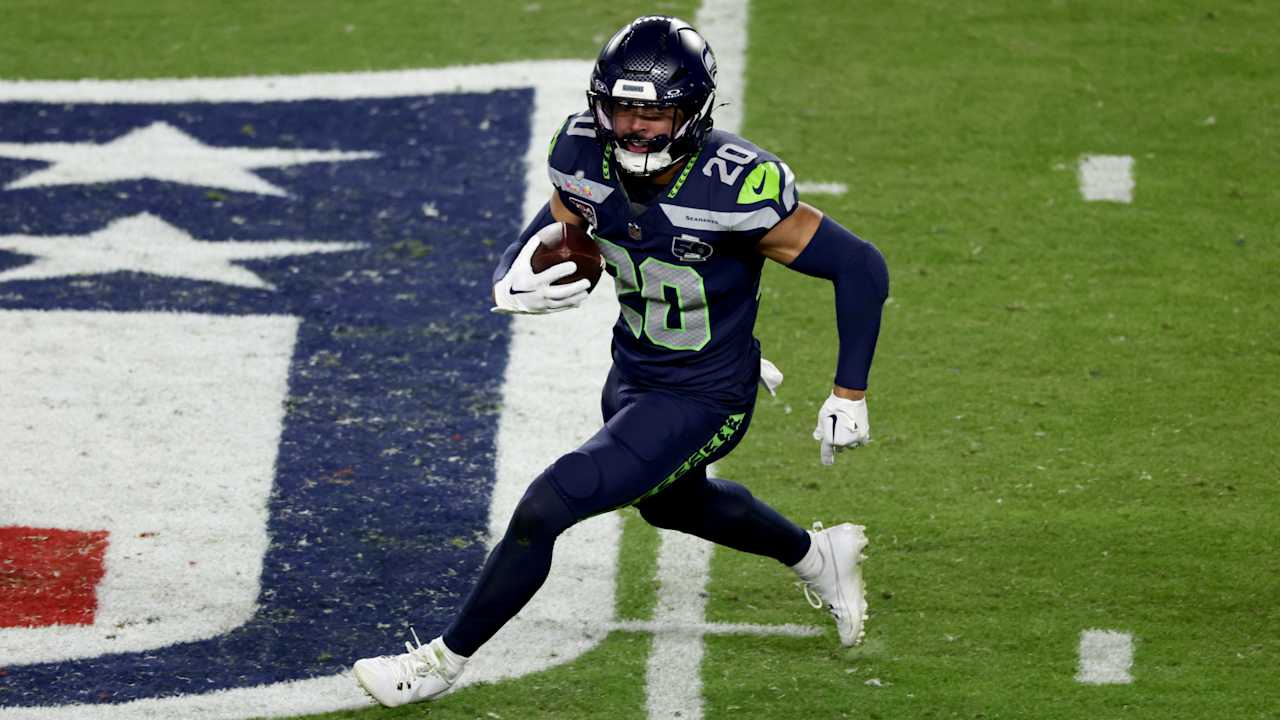
It started with one quiet move: activating safety Julian Love from IR in December 2025. What followed? An unstoppable defensive revolution that carried the Seahawks to Super Bowl LX glory and sparked a league-wide wildfire.
From Injury to Invincibility
Before Love’s return, Seattle used split-safety (two-high) coverages on just 46% of passes. After? A staggering 54.8% — the highest among playoff teams. Result? Eight straight wins, a suffocating 15.1 points allowed per game, and a dominant Super Bowl triumph. Love’s trophy-sealing pick was iconic — even if it wasn’t in the scheme — but his deep-half mastery unlocked coach Mike Macdonald’s beloved Cover 6 hybrid.
The Two-High Takeover: Why It’s Crushing the NFL
- Rising Dominance: League-wide two-high jumped to 42% in 2025 — every defense topped 30% for the first time ever.
- Deadly Variants: Cover 4 (Quarters) exploded to 17.2%, Cover 6 became the secret sauce for the last four Super Bowl winners.
- Blitz Revolution: Chiefs, Vikings pioneered aggressive pressure from two-high — producing monster sack totals and elite coverage (62.3% completion allowed vs. league 66.4%).
- Game-Changing Impact: First downs on just 29% of dropbacks against split-safety — lowest since tracking began. Total EPA plunged to -286.6 in 2025.
Heroes Behind the Scheme
Versatile safeties like Love, Xavier McKinney, and rookies like Atlanta’s Xavier Watts are the new must-haves: high-IQ, quick-twitch playmakers who diagnose, drop deep, blitz, or crash the box. Teams now align safeties shallower than ever (average 12.0 yards off LOS) to involve everyone in the fight.
From Legion of Boom to the New Era
Forget the single-high Cover 3 that defined Seattle’s first title. This modern two-high storm is rewriting defenses — more effective, more aggressive, more unstoppable. The Seahawks didn’t just win a Super Bowl… they proved the blueprint for the next dynasty. Who’s next to copy it?
One quiet activation. One massive shift. One Lombardi. The coverage storm is here — and it’s only getting started.